
International Women’s Day provides an opportunity to respond to unequal impacts of climate change on women through the mitigating role of care infrastructure.
Women are disproportionately affected by climate change in several ways, whether in relation to health, economic impacts or societal effects. For example, during extreme weather events such as flooding, it is estimated that women and children are 14 times more likely to die than men. Even when climate-related disasters do not prove fatal for women, they still bear a disproportionate burden, with women and girls accounting for 80% of those who are displaced by climate change.
One reason for this is women’s role in society. According to UN Women, women in developing countries are more exposed to the effects of climate change due to their responsibility for the collection of the materials necessary for drinking, sanitation, heating and cooking – a role made harder by evolving weather systems. My colleagues and I recently explored these challenges and opportunities at length. However, one area often overlooked in discussions around climate change adaptation and gender is the role of care infrastructure.
“Care infrastructure” refers to the services that directly provide care to people, and to the basic physical infrastructure that indirectly supports care outcomes. This creates and maintains environments that support both care recipients and caregivers.
In many countries, including those in Asia, there are deficits in paid care services, particularly in urban areas where informal settlements and poor access to energy, fuel, clean water and basic services make caregiving especially challenging. These difficulties are often exacerbated by the impacts of climate change, which further increase the demand for caregiving.
AIIB and UN Women’s recent report, Financing Care Infrastructure: An Opportunity for Public Development Banks to Pave the Way for Tomorrow's Equality, shows that in the context of climate adaptation and mitigation, investing in infrastructure and quality services for care can have multiple benefits.
AIIB’s research indicates that closing care policy gaps and expanding high-quality care services could generate nearly 300 million jobs by 2035, directly and indirectly, with the majority benefiting women. Closing these gaps could generate substantial earnings and positively impact tax revenues and the self-financing potential of care investments. Such investments not only advance gender equality but also contribute to broader economic stability and environmental sustainability, making a compelling case for investors committed to long-term, inclusive growth.
Additionally, by reducing the time and physical demands of care work, women can have more time and energy to engage in climate-related activities such as participating in community resilience-building initiatives, advocating for sustainable practices, and contributing to decision-making processes.
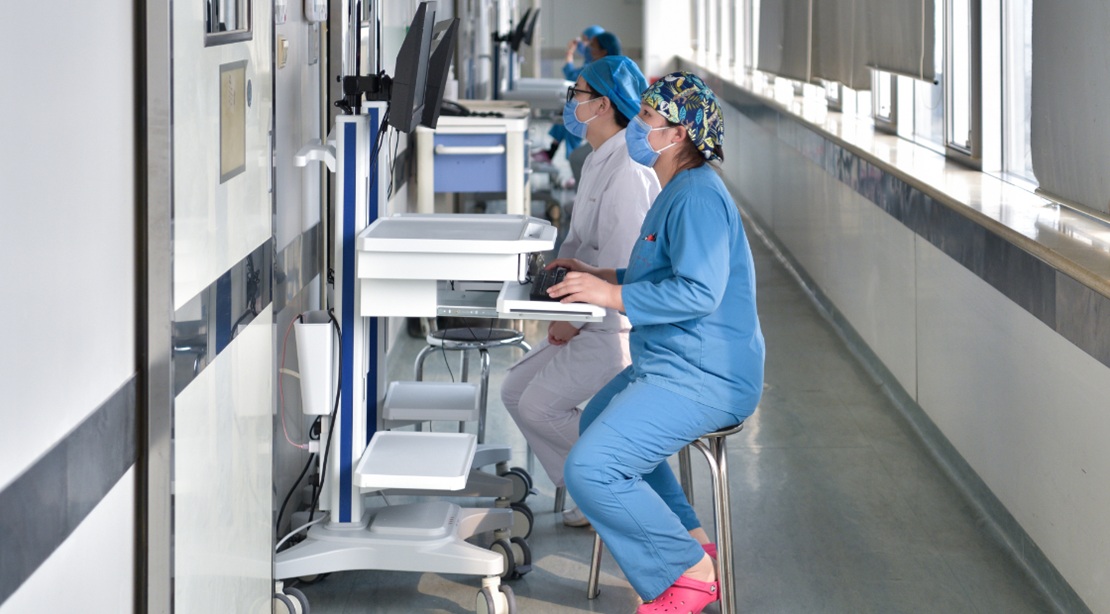
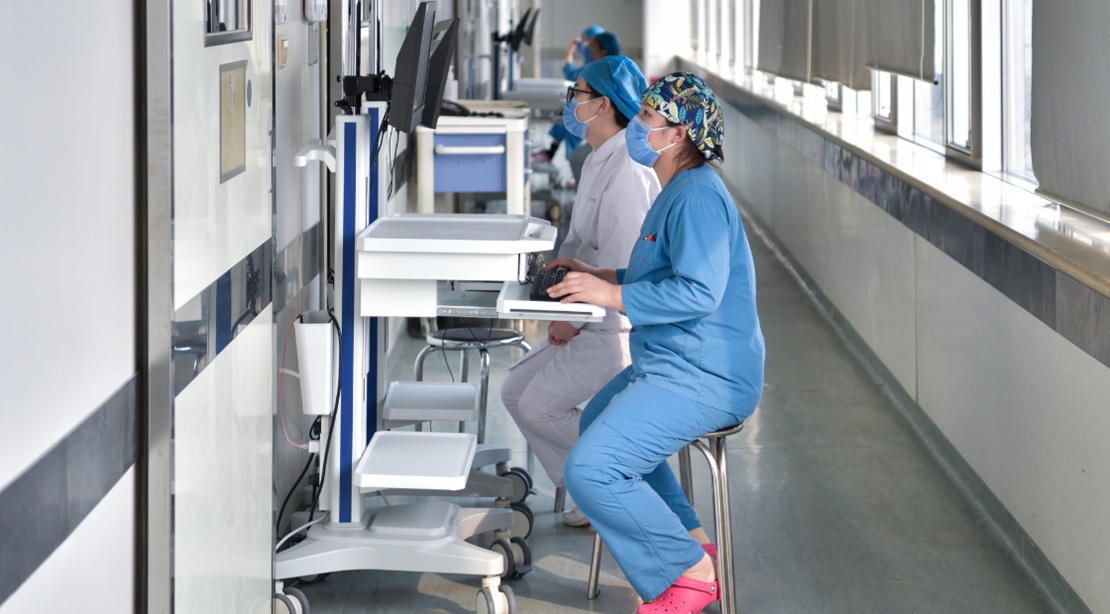
Critical investments in physical infrastructure such as healthcare facilities are essential for reducing the time women and their families spend in poor health. Along with access to complementary physical infrastructure (e.g., water, sanitation, energy), strengthened health infrastructure has the potential to enhance the health and well-being of women and girls while reducing some of the root causes for their disproportionate care work.
AIIB’s support for the Government of Indonesia is one example of the Bank working to address gaps in women’s health by increasing the availability of functional equipment in public health facilities and improving the utilization of public health services. In Indonesia, insufficiently equipped hospitals are a key barrier to equitably providing emergency obstetric care, contributing to high maternal mortality. Gaps in the availability of screening for cancers also correlate with high female mortality (breast and cervical cancer). By addressing key gaps in women’s and men’s health, the project will benefit women’s ability to manage their care responsibilities and strengthen their access to economic opportunities.
As identified in AIIB’s inaugural Gender Action Plan, addressing gender inequalities can also enhance communities’ resilience to climate change. When women have access to education, resources, and economic opportunities, they are better equipped to adapt to environmental challenges and contribute to sustainable development. By recognizing the relationship between gender and climate change in our work, we seek to create a more inclusive and equitable future for all, leveraging the full potential of women to drive sustainable economic growth and development across Asia and beyond.