ASIAN INFRASTRUCTURE FINANCE 2026


Feature Articles
Global Freshwater and Infrastructure
Flying Rivers: the Invisible and Deep Connections of Our Shared Water
Impact of Floods: Damages to Lives, Property, and Impact on Water Quality
Protecting Wetlands
Investing Upstream for Downstream Reliability: Hydropower Benefits of Ecological Restoration
Water Endowments, Virtual Water Trade, and the Pricing of Water Resources
Governing Water in the Age of Extremes: Addressing Too Much, Too Little, Too Dirty, and Too Unequal

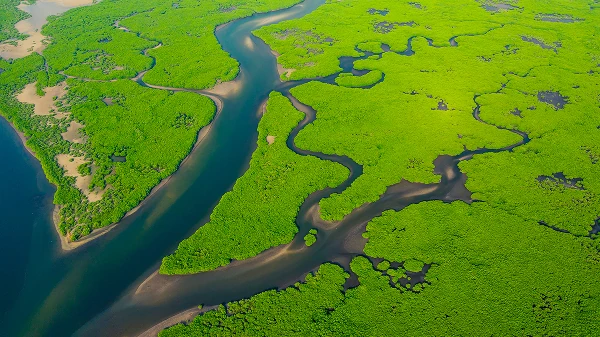
Global Freshwater and Infrastructure
This chapter examines the foundations of the global water cycle, and the infrastructure functions it provides. Understanding these processes can help design infrastructure systems that remain reliable under changing climatic and hydrological conditions.
READ MORE

Flying Rivers: the Invisible and Deep Connections of Our Shared Water
Leveraging existing datasets and the latest research, this chapter begins with a quantitative analysis that documents the extent of cross-border moisture flows followed by an analysis of how land use patterns affect these flows. The research underscores the interconnectedness of water between regions and countries, and the importance of protecting natural landscapes to safeguard water flows as a shared resource. The chapter ends with a brief policy discussion.
READ MORE

Impact of Floods: Damages to Lives, Property, and Impact on Water Quality
This chapter provides global-scale, event-based evidence on how floods affect river water quality across diverse landscape types. The results demonstrate that flood impacts are highly heterogeneous and strongly mediated by dominant land use within each catchment. The analysis demonstrates that nature-based solutions, especially forest conservation, play an essential role in strengthening watershed resilience, while targeted improvements in agricultural management are indispensable for mitigating flood-driven water-quality shocks.
READ MORE
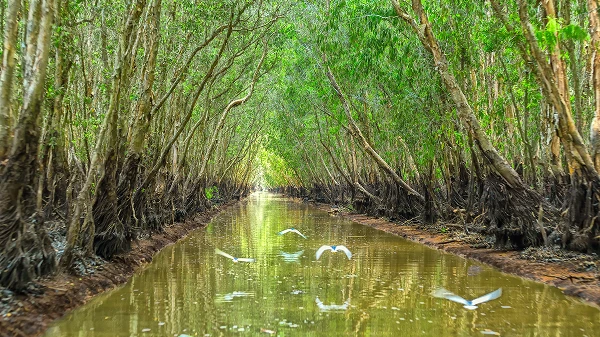
Protecting Wetlands
This chapter reveals that the effectiveness of a Ramsar designation is mediated by local institutional quality and financial capacity, suggesting that international environmental agreements, in the absence of improvements in local conservation mechanisms and institutions, are insufficient to guarantee conservation outcomes. Protecting wetlands strengthens the natural infrastructure of the water cycle and provides a cost-effective complement to engineered water management systems.
READ MORE
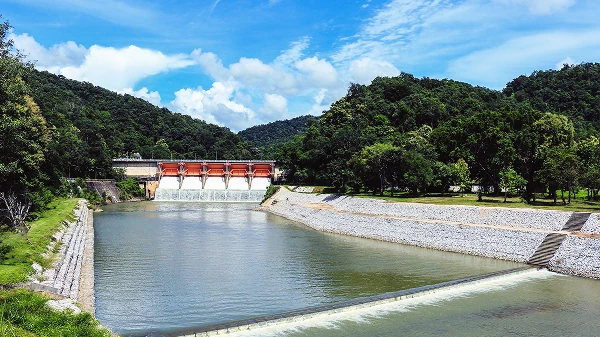
Investing Upstream for Downstream Reliability: Hydropower Benefits of Ecological Restoration
This chapter shows that upstream ecosystems are integral to the hydrological cycle and materially influence downstream hydropower performance. These insights demonstrate that the performance and resilience of downstream assets depend not only on built infrastructure but also on the ecological conditions that shape the hydrological cycle upstream. Restoring watersheds and investing in upstream vegetation can reduce sediment pressures, improve the reliability of river flows, and ultimately strengthen the efficiency of hydropower systems. Although hydropower provides a clear example, the implications extend far beyond the energy sector. Irrigation networks, water-supply reservoirs, urban flood-protection systems, and other downstream infrastructure all rely on stable, well-functioning hydrological regimes. Positioning watershed restoration as part of core infrastructure planning enables MDBs and governments to expand investment portfolios while strengthening resilience and long-term asset performance.
READ MORE
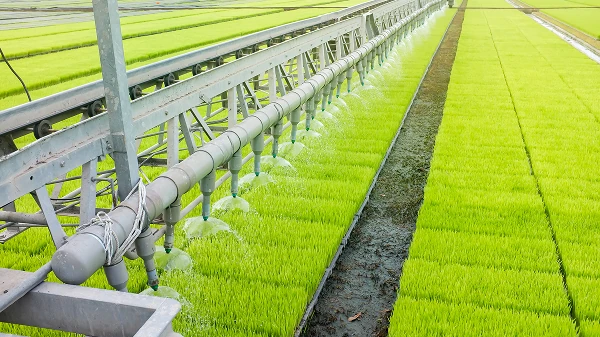
Water Endowments, Virtual Water Trade, and the Pricing of Water Resources
Virtual water trade (VWT), or the water content embedded in the production of goods for international trade that is not directly observable, is critical to both water and food security, increasing water stress and rising geopolitical tensions. While VWT is key to alleviating water stress in some countries, it could also place additional strain on water resources and even lead to environmental degradation in some exporting countries. In many cases, water is not priced to cover its full extraction costs, let alone environmental costs, which may lead to a large and potentially transboundary ecological impact. Given increasing water stress in many countries amid climate change and other environmental stresses, a better-functioning global VWT system could more efficiently use water resources and allocate production.
READ MORE
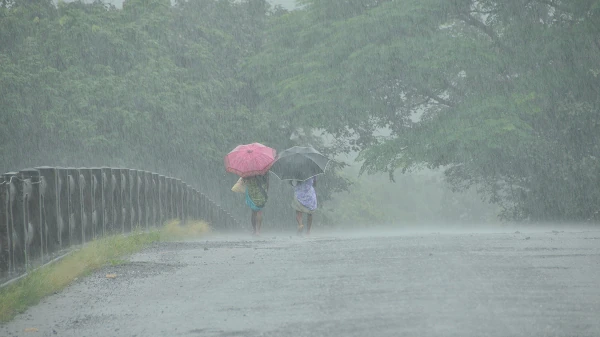
Governing Water in the Age of Extremes: Addressing Too Much, Too Little, Too Dirty, and Too Unequal
Water issues are rarely only physical problems and are more often failures of governance. Understanding how pricing, subsidies, nature degradation, and inclusion shape access to water is essential to unlocking its potential as a driver of equity, resilience, and sustainable development.
READ MORE