
Digital infrastructure is the backbone of economic growth, but investment in this space has been uneven. Many developing economies are struggling to expand basic digital connectivity while preparing for the artificial intelligence (AI) era, resulting in a double digital divide: inadequate basic access for hundreds of millions, compounded by growing gaps in AI readiness.
Limited affordable broadband connectivity, unreliable digital services, insufficient access to essential devices and unstable electricity supply are longstanding challenges faced by developing economies. Despite increasing investment in AI infrastructure worldwide, the foundational connectivity network needed for AI readiness remains underfunded.
Internet access directly correlates with national development levels. High-income economies have achieved near-universal internet access at 94%, but low-income economies have reached only 23%. This disparity not only slows AI adoption but also exacerbates inequity by denying AI’s benefits to those without basic connectivity.
Investment tends to focus on capital-intensive, top-tier digital assets such as data centers, cloud and AI infrastructure while foundational connectivity remains underfunded. This gap risks widening rather than narrowing societal and economic inequality.
Multilateral development banks (MDBs) should view digital infrastructure not as a discrete asset class but as an interconnected ecosystem with multiple layers: the foundational layer, the enabling layer, the compute/cloud layer and the application layer. Private capital naturally gravitates toward segments with predictable demand, scalable operations and bankable returns, such as the compute/cloud layer. However, in rural and low-income areas, there is not enough commercial incentive for network expansion, a problem exacerbated by fragmented regulation, uncertain licensing and limited institutional capacity. Thus, digital inclusion becomes more of a financing and coordination challenge.
Development stakeholders must structure risk frameworks that enable private capital to scale while strategically and efficiently deploying public resources to support segments currently unviable for market investment. A credible enabling environment requires stable and transparent rules, predictable licensing and reliable legal protection. MDBs help members build this credibility by standardizing fragmented regulations, strengthening local institutional capacity and reducing political and regulatory risks. When the enabling environment is credible and sustainable digital service demand is secured, the private sector can deliver impact at a scale far exceeding investments traditionally led by the public sector. Without these conditions, even well-designed projects may remain unbankable, leading to underinvestment in regions with the greatest development needs.
India and Indonesia illustrate how infrastructure sequencing and capital structure design can drive inclusive digital expansion. India prioritized foundational connectivity, leveraging state-directed and quasi-public models to build nationwide infrastructure, including rural broadband access. As market scale deepened and digital adoption accelerated, the government rolled out incentives, including long-term central tax exemptions, state electricity duty exemptions, concessional power tariffs, and single-window fast-track regulatory clearances to mobilize private investment. This created a virtuous cycle: broad connectivity fueled adoption, adoption strengthened demand and demand directed private capital to higher-return digital assets.
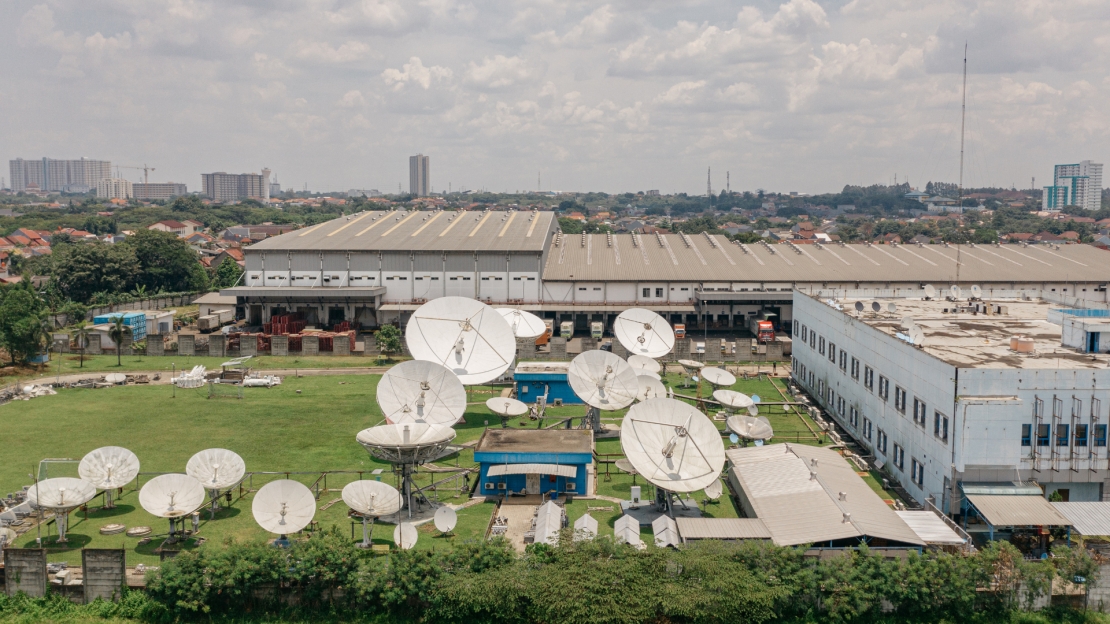
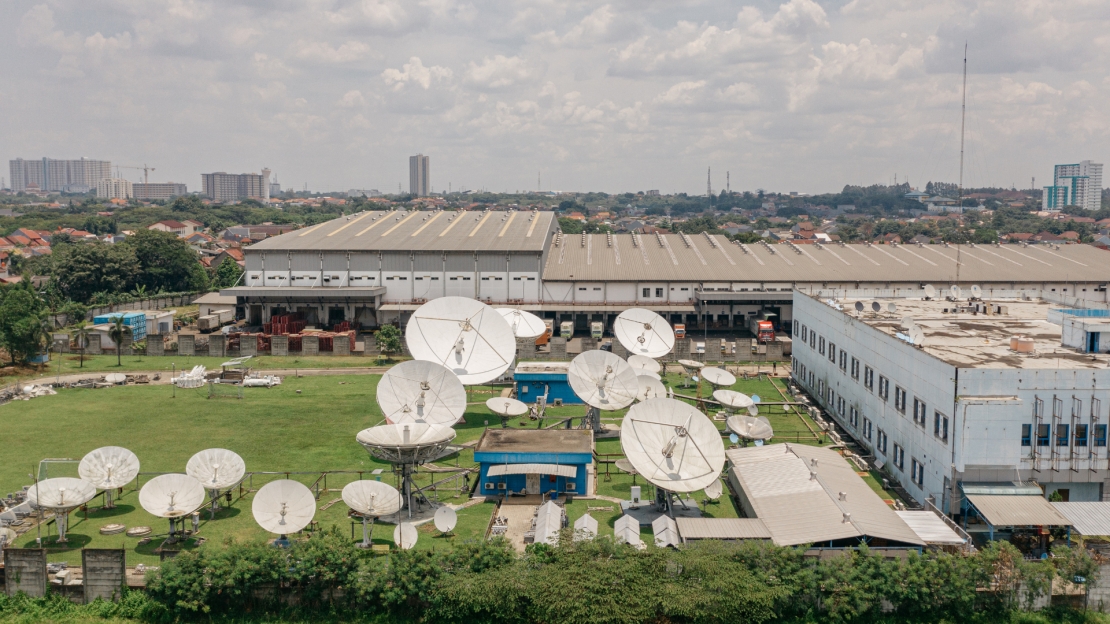
In Indonesia, where terrestrial networks incur high marginal costs to reach remote communities and project economics deteriorate rapidly beyond major urban corridors, catalytic development finance played a pivotal role in early connectivity expansion. A notable example is the Asian Infrastructure Investment Bank’s (AIIB) nonsovereign support for Indonesia’s Multifunctional Satellite Public-Private Partnership project, which connected underserved regions overlooked by commercial financiers. As Indonesia’s digital market matured, data-center expansion shifted closer to bankable sites and structured partnerships that derisked investments.
These instances show that success depends less on choosing a “one-size-fits-all” technology and more on aligning infrastructure sequencing, incentive frameworks and risk allocation across the entire digital ecosystem.
Three dimensions will define the future of digital infrastructure scaling in Asia: expanding beyond bankable segments to close the access gap, building enabling ecosystems and enhancing collaboration between MDBs. Robust regulatory frameworks are essential for scaling digital public infrastructure. MDBs should align efforts to catalyze private investment, not compete with it. By pooling expertise, resources and risk appetite, MDBs can accelerate the development of bankable projects and expand access to digital infrastructure for the next billion users.
AIIB has a layered, ecosystem-driven approach that prioritizes technology-enabled infrastructure for the AI era while advancing inclusive growth. It supports commercially viable backbone networks, broadband expansion and data centers and attracts private investment to underserved communities. It also partners with governments to build digital public infrastructure through policy modules and implementation templates.
Asia’s digital infrastructure gap should be seen as an investable opportunity, not a cost burden. The central problem is not a lack of investor interest in digital infrastructure but a concentration of capital in the compute layer that overshadows foundational connectivity.
To bridge this gap, it is essential to align the roles of different stakeholders. Governments should establish credible, inclusive regulatory frameworks and strategically invest in segments unviable for market delivery. The private sector should innovate and scale investments where demand exists and risks are priced transparently. MDBs should convene stakeholders, derisk projects, and reduce transaction costs to accelerate the development of bankable projects.
With coordinated action, Asia can narrow the double digital divide and expand digital opportunities to the next billion users, unlocking inclusive and sustainable growth for decades to come.
This article was originally published in Euronews and China Daily.