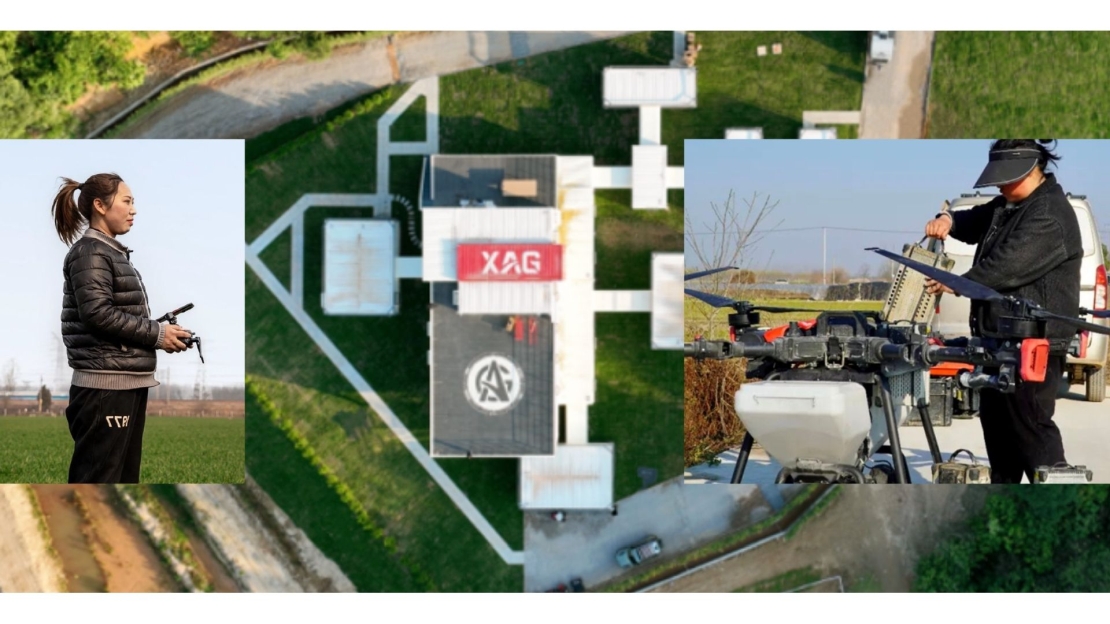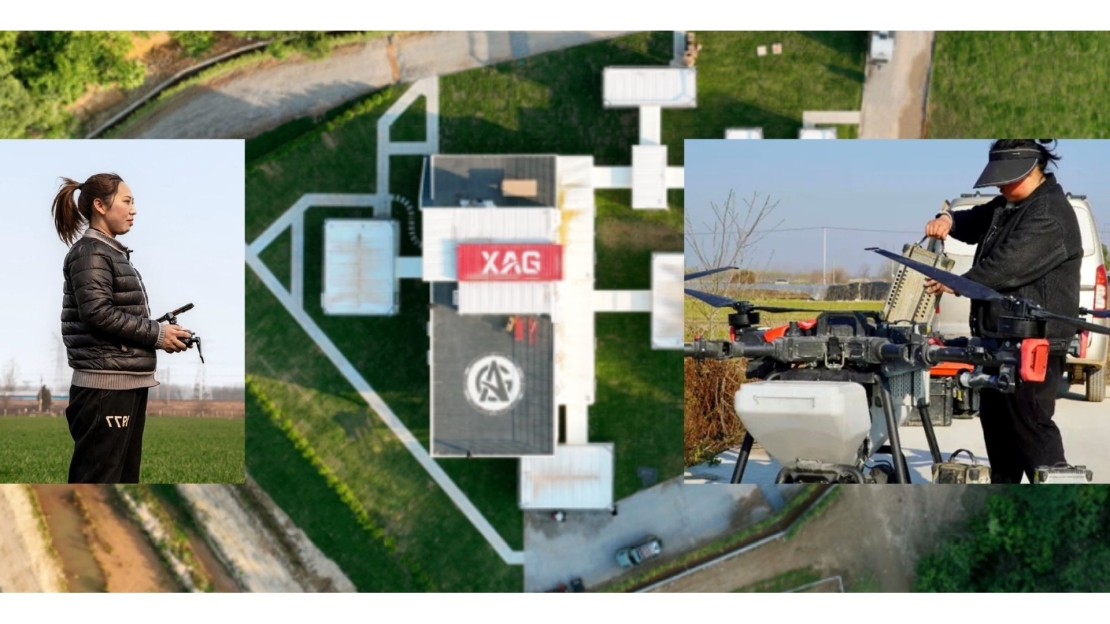
In many rural economies, women form a substantial share of the agricultural workforce, around 41%-43% globally. Yet much of their work is concentrated in labor-intensive and low-visibility tasks involving long hours, physical strain and exposure to agrochemicals. These conditions not only limit productivity but also constrain women’s opportunities to move into more skilled and better-paid roles.
Digital technologies are beginning to change this pattern. For example, by embedding drone-based and data-enabled solutions into farming systems, XAG, a developer of agricultural drone technologies, is reshaping how farming is conducted and who can participate in higher-value agricultural activities. AIIB’s investment in the Sinovation Disrupt Fund is supporting innovation-driven enterprises such as XAG in advancing these changes.
Through AIIB financing, Sinovation is supporting its investee XAG in advancing these shifts, which are bringing tangible changes to women’s roles across the agricultural value chain.
For example, crop spraying has traditionally required carrying heavy equipment under high temperatures while being exposed to pesticides. The work is physically demanding, relatively low paid and has often confined women to labor-intensive roles on household farms, limiting opportunities to increase productivity or generate additional income.
With the adoption of agricultural drones, these conditions have shifted.
Spraying is now conducted through automated flight systems and remote operation, reducing physical intensity and exposure to agrochemicals. Tasks have evolved from repetitive manual labor to equipment operation, route planning and service provision. Such functions are skill-based yet accessible through targeted training, are less physically restrictive, and are often associated with higher, more stable earnings. As a result, barriers to entry have reduced while pathways into higher-value economic roles have expanded.
The experience of a woman drone operator in Henan Province, China, illustrates this transformation. “During the busy season, even with the whole family working, it was hard to keep up,” she recalls. After adopting drone technology, she was able to improve efficiency on her own farm and also work for neighboring households. What began as a productivity tool evolved into a stable source of income, with her operations covering several thousand hectares.
Her experience reflects a broader shift. Technology-enabled service models now allow demand to be aggregated across multiple farms, creating opportunities for women to move beyond household-based production into service provision within local economies. At the same time, digitally managed farming systems generate more predictable seasonal labor demand while improving resource efficiency and supporting complementary livelihoods, many of which are traditionally managed by women.
For AIIB, this experience demonstrates the value of sustained engagement in financial intermediary investments. AIIB’s environment and social monitoring and dialogue with fund managers and investee companies help identify broader social outcomes that extend beyond financial performance. In the case of XAG, this engagement has helped highlight the gender dimensions of technology adoption and its contribution to inclusive development.
By investing in technologies that transform both infrastructure and livelihoods, AIIB can help ensure that the benefits of innovation are shared more widely. This should make infrastructure smarter, more productive, and more inclusive.
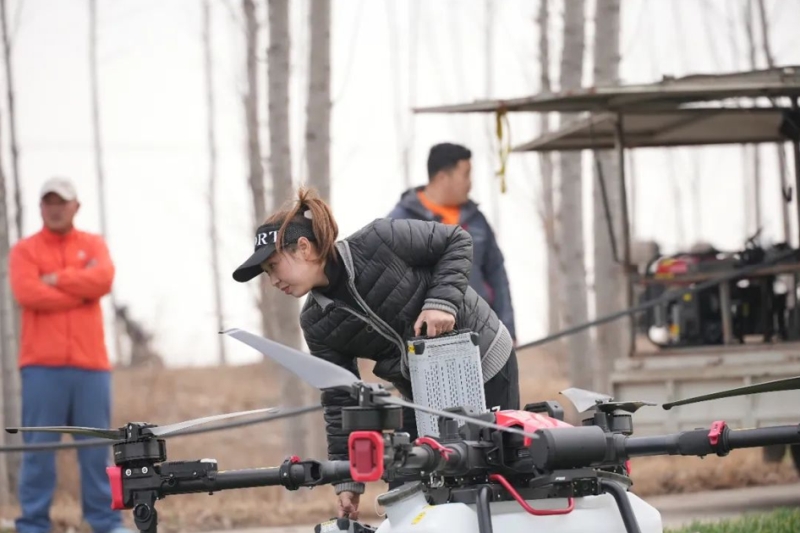
Drone-based pesticide application |
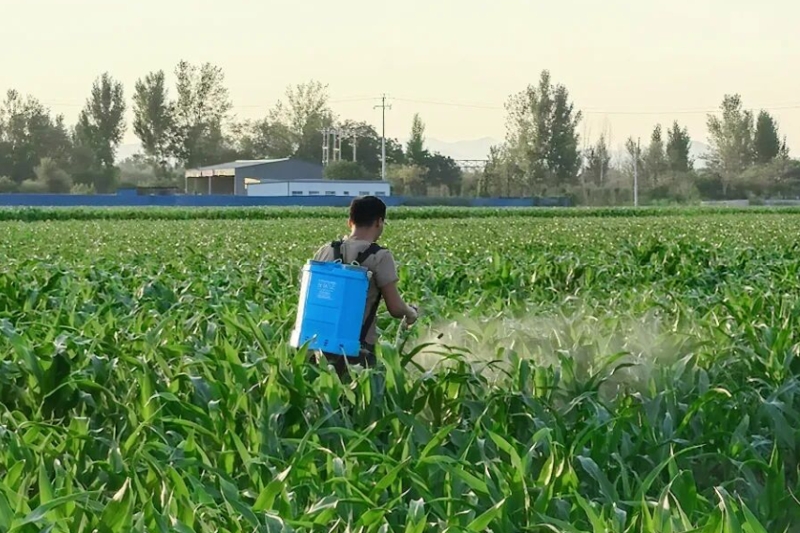
Traditional pesticide application methods |